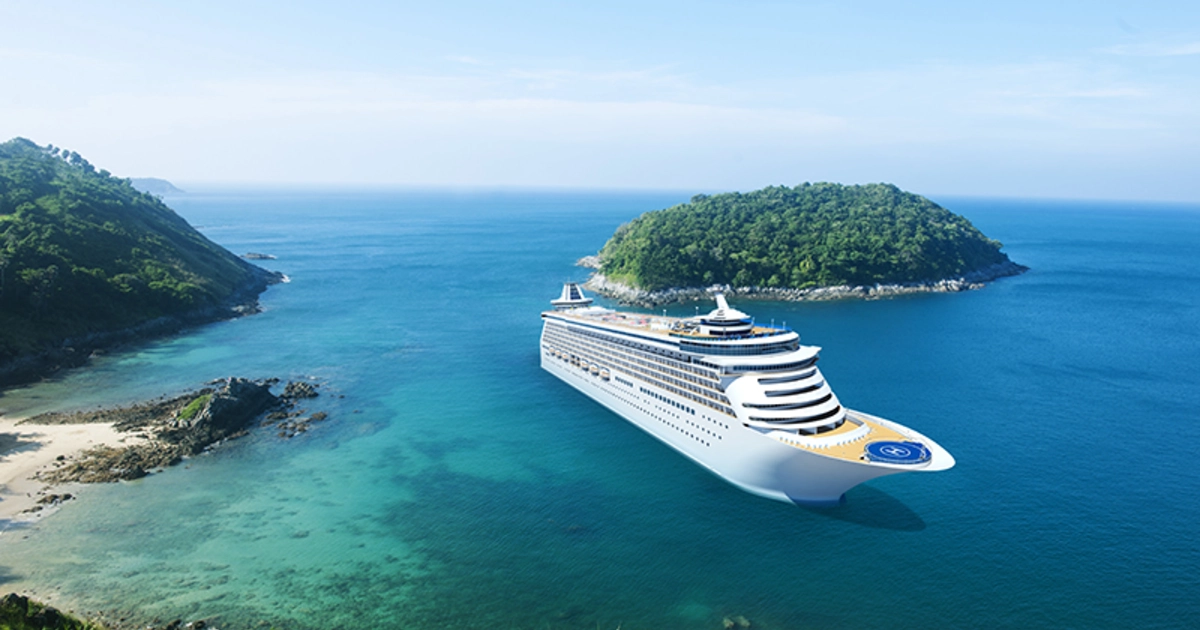

Thinking about booking a cruise?

Costly Cruise Planning Mistakes to Avoid

A cruise can be the easiest way to see multiple destinations—if you choose and plan it with clear information. This guide explains the cruise planning mistakes that most often lead to disappointment, stress, or surprise costs, and how to avoid them so you can actually relax once you step on board.

Main website image
The short answer

What matters most

The biggest mistakes travelers make with cruise vacation planning are rushing into a sailing without clear priorities, comparing options on only one factor, and waiting too long to start planning. Problems usually begin when the scope of the trip is fuzzy (who is going, what comfort or accessibility needs they have, and how flexible the dates are), the budget is vague, and key requirements like passports, age rules, or health policies are not reviewed in advance. Another frequent error is assuming that every cruise includes the same dining, drinks, gratuities, and activities, or that someone else has confirmed the fine print. To avoid these issues, clarify your non‑negotiables, timing, and budget early, ask what is and is not included, and have an experienced advisor walk you through ship choices, rules, and realistic expectations before you put down a deposit.

Rushing into a cruise without clarifying who the trip is for and what matters most often leads to mismatched ships, cabins, and itineraries.
Assuming all cruises include the same dining, drinks, gratuities, and activities sets travelers up for surprise costs once they are onboard.
Waiting too long to start planning can mean higher prices, fewer cabin choices, and more stressful flight options to the departure port.
Clear questions about inclusions, rules, documentation, and cancellation policies help you compare cruises on real terms instead of marketing language.
A boutique travel advisor can reduce planning workload, coordinate complex logistics, and advocate for you if flights or other elements go wrong.
Main website image
A useful way to think about it

A practical guide to avoiding common cruise planning mistakes

Instead of learning the hard way once you are already at sea, you can spot most cruise planning problems before you book. Use this section as a step‑by‑step guide to think clearly about your trip, ask better questions, and flag any red lights early.

Mistake 1: Skipping the step of clarifying who this cruise is really for

Many cruise headaches start because no one clearly defined who the trip is actually built around. Is it for young kids who need splash zones and flexible bedtimes, older parents who want calmer spaces and easy walking distances, or a group of friends who care most about nightlife and specialty dining? Those needs can suggest entirely different ships, cabin locations, and itineraries. When you skip this step, you may end up on a ship whose pace, entertainment, or layout clashes with your group’s comfort. Before you look at glossy brochures, write down who is going, everyone’s broad age range, mobility or health considerations, and whether anyone in the group has a true dealbreaker like motion sensitivity, fear of crowds, or strict dietary needs.


Mistake 2: Treating all cruises as if they include the same things

One of the most common misunderstandings is assuming that every cruise fare works like a simple all‑inclusive package. In reality, inclusions vary widely by cruise line, ship, cabin category, and even itinerary. Some sailings bundle drinks, gratuities, and Wi‑Fi; others charge separately. Certain onboard activities or specialty restaurants may carry extra fees. If you do not ask the right questions, what looked like a great deal can grow more expensive once you add everything you assumed was already covered. When reviewing options, ask your advisor to summarize, in plain language, what the base fare includes and which add‑ons most guests actually purchase. That way, your comparison and budget are based on a realistic picture rather than wishful thinking.

Mistake 3: Waiting too long to start planning and losing the best options

Cruises involve moving parts: cabin inventory, group space, flights to the port, and time off work or school. Many travelers delay reaching out to an advisor until they are sure about their dates and destination, only to discover that the most desirable cabins or itineraries are gone. This can mean higher prices, less convenient flight times, or being stuck with connecting cabins that do not really work for your family. A Greensboro‑based agency like Imagine Travel typically helps clients match ships and itineraries and then completes reservations with preferred cruise partners, but those partners cannot produce extra cabins once a sailing fills. If a cruise is on your mind, talk with an advisor as soon as you have a general timeframe, a rough budget range, and a sense of who is going. You can refine the details together instead of arriving too late to the party.

Decision guide

Turning awareness into better cruise decisions

Knowing the mistakes is useful; using that knowledge to choose your cruise style, itinerary, and support level is even better. This section helps you translate the pitfalls into practical decision checkpoints before you commit money or vacation days.

Turn your priorities into a workable cruise short list

Once you have clarified who the cruise is for and what matters most, the next step is to translate that into a short list of realistic options. Work with an advisor to sort your priorities into non‑negotiables and nice‑to‑haves. Non‑negotiables might be things like sailing during a specific school break, needing an accessible cabin, or wanting a calmer atmosphere. Nice‑to‑haves could be a particular specialty restaurant or a certain port of call. Ask your advisor to show you a few ships and itineraries that respect those must‑haves, and to explain the trade‑offs between them in clear language rather than jargon. This turns a vague dream into a manageable comparison instead of an endless scroll of choices.

Use questions about inclusions and rules as a decision filter

Because cruises differ so much in what is included and how rules work, the way a cruise line or planner answers your questions can be just as important as the answers themselves. As you narrow your options, ask directly about documentation needs, age limits for children’s clubs, any health or vaccination rules, and cancellation or change policies. Notice whether the answers are specific and tailored to your situation or vague and rushed. If you are working with a professional advisor, they should be ready to walk you through cruise line rules for ocean or river cruises and help you see how those apply to your family or group. That level of clarity makes it far easier to choose a sailing you feel good about committing to.

Decide how much planning support you actually want

Not every traveler wants or needs the same level of help. Some enjoy researching ships and ports, while others would rather hand the planning to an expert and simply enjoy the result. Before you book anything, decide honestly how much planning workload you want on your own plate. If you are organizing for a multi‑generational family or coordinating friends with conflicting schedules, a boutique travel advisor can relieve much of that complexity by matching your group to cruise partners they know and trust. On the other hand, if you are flexible and traveling solo or as a couple, you might be comfortable with a more streamlined planning conversation. Being clear about your desired support level will guide whether you lean on full cruise vacation planning or a lighter‑touch consultation.

Confirm timing and availability before you promise dates to others

One subtle but costly mistake is inviting friends or family on a cruise before you know what is actually available and at what price. If you float dates and ships too early, people may request time off work or arrange childcare, only for you to find that the sailing that fits your budget or preferred cabin type has limited space left. A better approach is to talk with an advisor first, get a realistic view of availability for your chosen season and destination, and then share a short list of viable options with your group. That way, any promises you make about dates or prices are grounded in current information rather than guesses, and you avoid the awkwardness of backtracking later.

Evidence and expectations

How a boutique advisor helps you sidestep these mistakes

Real travelers have already walked this road. Their experiences show what changes when you have a dedicated cruise and vacation specialist watching for the details you might miss on your own.

Real travelers who “just showed up” because the planning was handled

One Greensboro client shared that from the early planning stage to returning home, their advisors at Imagine Travel had “thought of everything,” and that they “just showed up” for their vacation. While this review referred to a resort stay rather than a specific cruise, it highlights what thoughtful planning can do: remove the mental load of juggling details so you can focus on enjoying the experience. The same approach carries over to cruise vacation planning, where advisor support connects your preferences with suitable ships, routes, and partner offers instead of leaving you alone with fine print and guesswork.

Support when things go wrong—before or after your sailing

Another traveler described a midnight flight cancellation as they were about to board the plane for a tour. While others faced a three‑hour line at the airport, their Imagine Travel advisor had the airline on the phone within minutes, solving the problem quickly. Flight disruptions can affect cruises as well, especially when you fly into a port city on the same day your ship departs. Having a dedicated advisor who understands both your cruise itinerary and your air arrangements means you have an advocate working behind the scenes if schedules shift. That kind of support is hard to replicate with a do‑it‑yourself booking or a faceless online engine.

Boutique focus and cruise planning expertise

Imagine Travel operates as a boutique agency in Greensboro, focusing on personalized vacation planning with cruises as one of its core specialties. That means your cruise is not treated as a one‑size‑fits‑all transaction. Advisors use insider knowledge and preferred cruise partners to match clients with sailings that fit their interests, comfort level, and timing. Instead of relying solely on marketing materials, you can lean on people who regularly handle cruise reservations and see where travelers tend to be surprised—whether around inclusions, documentation, or onboard experience. Their job is to bring those issues to your attention before you book so your expectations and actual trip line up as closely as possible.

Main website image
Main website image
Local context · Greensboro, NC

Cruise planning mistakes Greensboro travelers especially want to avoid

Being based in Greensboro, many local travelers are starting their cruise journey with connecting flights to major ports like Miami, Fort Lauderdale, or European gateways. That adds a few extra layers of risk and potential mistakes. First, leaving flights as an afterthought can turn a smooth cruise into a sprint through airports. Work with an advisor who looks at your cruise and air schedule together and talks through buffer times, overnights near the port, and what happens if a flight is delayed. Second, local school calendars and regional event dates affect both pricing and availability. A Greensboro‑based advisor will recognize peak times for families in this area and help you avoid sold‑out cabins and inflated airfares. Finally, if you are cruising with friends or family scattered across North Carolina, a local planner can coordinate everyone’s logistics so you are actually on the same ship and in compatible cabins instead of discovering conflicts after deposits are non‑refundable.

Questions worth asking

Cruise vacation planning: extra questions travelers ask

Once people start looking seriously at cruises, a few practical questions almost always come up. Here are direct answers that build on what you have already learned, without repeating it.

How far in advance should I start planning a cruise?

Lead time depends on the destination, season, and type of cabin you want, but many travelers benefit from starting cruise vacation planning several months or more before departure. Popular sailings during school breaks or holidays can fill far earlier, especially for family‑friendly cabins, suites, or connecting rooms. Because flights to and from the port are another piece of the puzzle, earlier planning also gives you more reasonable air options. If you know roughly when you would like to travel and who is going, that is usually enough to start a productive conversation with a travel advisor, even if every detail is not decided yet.

What information should I have ready before talking to a cruise travel advisor?

You do not need everything figured out, but a few details make the first conversation much more useful. Be ready to share who is traveling and their approximate ages, any accessibility or health needs, an honest budget range you are comfortable exploring, and a general timeframe or set of possible dates. It also helps to mention whether you are thinking about ocean or river cruising and any destinations you are especially drawn to. With that information, an advisor can narrow down appropriate ships and itineraries more quickly and flag any cruise line rules or documentation requirements that could affect your group.

How can I avoid surprise costs on a cruise?

To reduce unwanted surprises, look beyond the base fare and ask about the actual day‑to‑day costs people experience. Request a clear breakdown of what your cruise price includes—such as main meals, certain drinks, standard entertainment, and basic activities—and what might cost extra, like specialty dining, certain excursions, gratuities, Wi‑Fi, and premium beverages. If you work with a travel advisor, ask them to help you build a rough total‑trip budget that includes airfare, pre‑ or post‑cruise hotel nights if recommended, transfers, and typical onboard spending for travelers with a similar style to yours. That way, you are comparing cruises using a realistic total cost, not just the headline fare.

Is cruise vacation planning only for complex or luxury trips?

Cruise vacation planning is valuable even for straightforward itineraries. A professional advisor can help first‑time cruisers understand how cabins, dining times, and port days really work, and can identify ships that match their comfort level and interests. For more complex trips—like multi‑generational families, back‑to‑back sailings, or cruises paired with European stays—expert help becomes even more useful, because there are more moving parts that can go wrong. Agencies like Imagine Travel specialize in personalized planning for both ocean and river cruises, tailoring the level of guidance to how much support you want rather than limiting help to only high‑end trips.

How does cruise planning differ from booking an all‑inclusive resort?

Both cruises and all‑inclusive resorts can offer a “pay once, relax later” feel, but the planning considerations are different. With cruises, you are choosing not only a ship and cabin but also a moving itinerary, port logistics, and sometimes specific documentation or health rules for multiple countries. Timing around flights and embarkation day is also critical, because ships do not wait for delayed passengers. All‑inclusive resort planning tends to focus more on selecting the right property, room category, and inclusions at a single destination. If you are unsure which style suits you or your group, a travel advisor who works with both cruises and resorts can walk you through how each option aligns with your priorities and risk tolerance.

Your next step

Ready to plan a cruise the smart way?

If you are thinking about a cruise but want to avoid the stressful guesswork, you do not have to figure it out alone. An Imagine Travel advisor in Greensboro can help you clarify your priorities, compare ships and itineraries fairly, and walk through rules, documentation, and inclusions before you commit. Call (336) 617-0137 or email imagine@imaginetravelvacations.com to start a no‑pressure conversation about your cruise ideas and timing. You bring your questions and wish list; they bring expert guidance and insider knowledge so you can step on board confident instead of crossed‑fingers hopeful.

Main website image